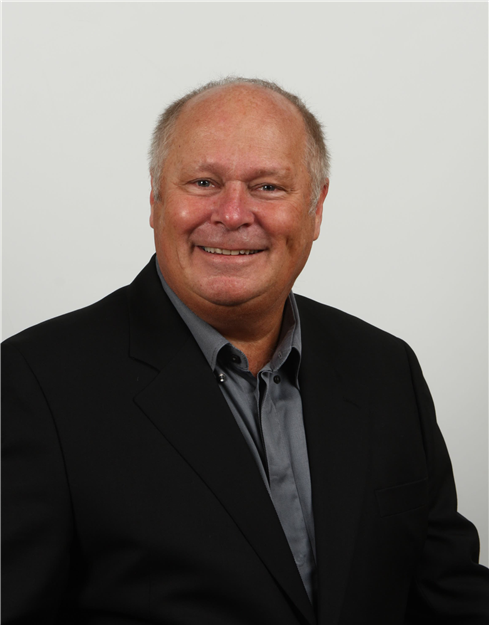
Jonathan Askew
How to Finance a Business with Minimal Downpayment
6/27/2025
Financing a business with a 90% Loan-to-Value (LTV) on a commercial property is challenging but not impossible, especially in Canada. Here's a breakdown of what that means and the options you might explore:
Understanding 90% LTV in Commercial Mortgages
-
Higher Risk for Lenders: A 90% LTV means you're only putting down 10% of the property's value as a down payment, and the lender is financing the remaining 90%. This signifies a higher risk for the lender because they have less equity to fall back on if the borrower defaults.
-
Common LTVs: For commercial properties, traditional lenders (banks) typically offer LTVs in the range of 65% to 80%. Going above this usually means stricter criteria and potentially higher costs.
-
Impact on Terms: A higher LTV generally translates to:
-
Higher Interest Rates: To compensate for the increased risk, lenders will charge a higher interest rate.
-
Mortgage Insurance: Like residential mortgages with high LTVs, commercial mortgages with 90% LTV may require mortgage insurance (often government-backed) to protect the lender. This adds to your overall cost.
-
Stricter Underwriting: Lenders will scrutinize your business financials, credit history (both personal and business), and the property's income-generating potential more rigorously.
-
Personal Guarantees: You will almost certainly need to provide a personal guarantee, making you personally liable for the loan if the business defaults.
-
Options for Achieving a 90% LTV Commercial Mortgage in Canada
-
Canada Small Business Financing Program (CSBFP):
-
This is often your best bet for high LTV financing in Canada. The CSBFP is a federal government program that makes it easier for small businesses to obtain loans by sharing the risk with lenders.
-
Key Features:
-
Can finance up to 90% of eligible costs for real property, equipment, and leasehold improvements.
-
Maximum loan amount up to $1,000,000 for real property.
-
Available through most major banks and credit unions.
-
Requires a one-time federal government registration fee (2% of the loan amount, which can often be rolled into the loan).7
-
A personal guarantee is typically required.
-
-
Eligibility: Generally for businesses with annual revenue of $10 million or less. The business and the project must be viable.
-
-
Private Lenders and Niche Lenders:
-
While traditional banks are more conservative, some private lenders or specialized financial institutions might be willing to go higher than 80% LTV, especially for strong businesses or properties with significant growth potential.
-
Considerations:
-
Higher Rates: Expect significantly higher interest rates than with traditional banks or CSBFP loans.
-
Shorter Terms: Loan terms might be shorter.
-
Flexible Criteria: They may have more flexible lending criteria, focusing more on the asset and the business's unique circumstances.
-
Additional Collateral: They might require additional collateral beyond the property itself (e.g., other personal assets, accounts receivable).
-
-
-
Vendor Take-Back Mortgages (VTB):
-
In some cases, the seller of the commercial property (vendor) might be willing to provide a portion of the financing. This is called a Vendor Take-Back mortgage.
-
How it Works: You get a primary mortgage from a bank for, say, 70% LTV, and the vendor provides a second mortgage for another 20%, bringing your total financing to 90%.
-
Benefits: Can help bridge the gap for your down payment.
-
Negotiation: Requires direct negotiation with the seller. The terms (interest rate, repayment schedule) for the VTB are agreed upon between you and the seller.
-
-
Combining Financing Sources:
-
You might combine a traditional commercial mortgage (e.g., 70-75% LTV) with other forms of business financing for the remaining portion. This could include:
-
Business Line of Credit: For working capital or to cover a portion of the down payment.
-
Asset-Backed Lending: If your business has valuable equipment or inventory, you might be able to secure a loan against those assets.
-
Mezzanine Financing: A hybrid of debt and equity financing, typically used for larger projects, that can help bridge financing gaps. It's riskier and more expensive than traditional debt.
-
-
What Lenders Look For with High LTV:
Even with the above options, lenders will be very particular about who they lend to with a 90% LTV. They'll assess:
-
Strong Business Plan: A detailed, well-researched business plan outlining your revenue projections, market analysis, and how you'll service the debt.
-
Robust Cash Flow: Demonstrable and consistent cash flow that clearly shows your ability to make mortgage payments, even with higher rates.
-
Excellent Credit History: Both your personal and business credit scores will need to be very strong.
-
Industry Experience: Proven experience and success in the industry your business operates in.
-
Collateral (Beyond the Property): While the property is primary collateral, having other unencumbered assets (personal or business) that can be pledged can strengthen your application.
-
Reasonable Debt Service Coverage Ratio (DSCR): Lenders want to see that your business's net operating income is significantly higher than your debt obligations.
-
Location and Condition of Property: The property itself needs to be in a strong market, good condition, and have high resale potential.
Engaging a Mortgage Broker (like Jonathan Askew) is Crucial
For a high LTV commercial mortgage, working with an experienced commercial mortgage broker like Jonathan Askew is even more critical. Here's why:
-
Access to Specialized Lenders: Jonathan will have relationships with lenders who specialize in higher-risk or niche commercial financing, including those participating in the CSBFP or private lenders.
-
Packaging Your Application: He'll help you compile a compelling application that highlights your business's strengths and addresses potential lender concerns regarding the high LTV.
-
Negotiation Power: A broker can negotiate on your behalf to get the best possible terms, including interest rates and fees, even with a high LTV.
-
Understanding Programs: He'll guide you through programs like the CSBFP, ensuring you meet all eligibility requirements and maximize your chances of approval.
-
Creative Solutions: Jonathan can explore combining different financing options to achieve the 90% LTV, finding solutions that you might not discover on your own.
In London, ON, where the commercial real estate market can be competitive, having an expert like Jonathan Askew in your corner can make all the difference in securing the high LTV financing your business needs to grow.